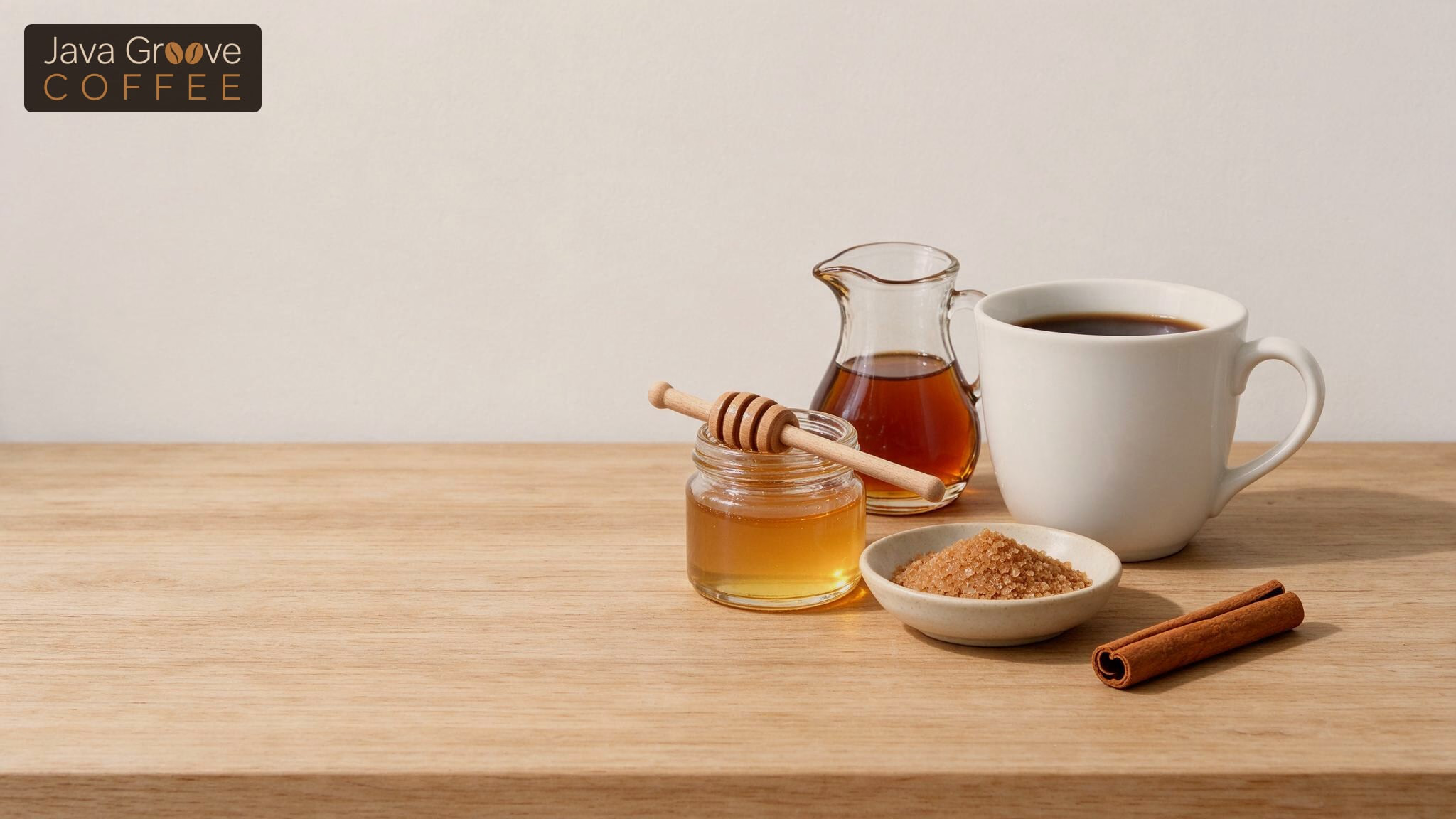
Sugar is the easiest thing to cut from coffee and the hardest habit to break.
Start with the calculator. Set how much sugar you use now, pick a replacement, and it shows how much to use, the calories you save in a year and where it sits on the glycemic index, the 0 to 100 scale of how fast a food raises blood sugar.
Calculator
Sugar Substitute Calculator
Set how you take your coffee now. Pick a sweetener to see how much matches it, and what it saves you.
Calories: USDA FoodData Central, Madhava and Lundberg labels. Glycemic index: University of Sydney GI database and the 2008 International Tables of Glycemic Index. Swap amounts: SweetLeaf, Monk Fruit In The Raw, Splenda, Lakanto, the Vermont Maple Sugar Makers' Association and Lundberg. Allulose calories assume a teaspoon weighs the same as sugar.
Zero-Calorie Sweeteners
These add sweetness with no sugar and no blood sugar rise. They are the closest swap if you want coffee to taste the way it does now.
1. Stevia
Stevia is an extract of the stevia leaf, and the FDA lists it at 200 to 400 times sweeter than table sugar.
Five drops of liquid stevia match one teaspoon of sugar. SweetLeaf, a liquid stevia brand, says 15 drops replace a tablespoon.
Some people taste a bitter aftertaste. Truvia blends stevia with erythritol, so check the label if you want stevia alone.
2. Monk Fruit
Monk fruit extract comes from luo han guo, a small melon, and the FDA lists it at 100 to 250 times sweeter than sugar.
Half a Monk Fruit In The Raw packet replaces one teaspoon of sugar. It has zero calories and a cleaner finish than stevia for many people.
Most monk fruit bags are blends with erythritol or allulose. Lakanto Classic, a monk fruit and erythritol blend, measures one for one with sugar.
3. Sucralose (Splenda)
Sucralose is the sweetener in Splenda, and the FDA lists it at about 600 times sweeter than table sugar.
Splenda says one packet matches two teaspoons of sugar. USDA data puts a packet at 3.4 calories, from the dextrose that bulks it up, and labels round anything under 5 calories to zero.
It is also the sweetener in most sugar-free coffee syrups, which add caramel or vanilla flavor without sugar.
4. Allulose
Allulose is a rare sugar that tastes and dissolves like table sugar, at about 70% of its sweetness.
The FDA says it causes only a negligible rise in blood sugar. Labels can count it at 0.4 calories per gram, against about 4 for sugar, and leave it out of total and added sugars.
Splenda Allulose measures like sugar. Pure allulose needs about a third more to match a teaspoon.
5. Erythritol
Erythritol is a sugar alcohol about 70% as sweet as sugar, and it is the bulk in many stevia and monk fruit blends.
Clinical studies found it does not raise blood glucose or insulin. A 2023 Cleveland Clinic study of more than 4,000 people, published in Nature Medicine, linked higher blood erythritol levels to a higher risk of heart attack and stroke, and found it made platelets clot more easily.
If that concerns you, pick pure stevia, pure monk fruit or allulose instead.
Natural Sugars That Still Count as Sugar
These are less processed than white sugar and bring their own flavor. Your body still treats them as sugar.
For reference, a teaspoon of table sugar has 16 calories and a glycemic index of 65.
6. Honey
Honey has a glycemic index of 61, per the 2008 International Tables of Glycemic Index, and 21 calories per teaspoon.
The National Honey Board says honey is sweeter than sugar, so use a little less. Its floral flavor suits light roasts. Stir it into hot coffee first, since it clumps in iced coffee.
7. Maple Syrup
Pure maple syrup has a glycemic index of 54 in University of Sydney testing, and 17 calories per teaspoon.
The Vermont Maple Sugar Makers’ Association uses three quarters of a cup of syrup per cup of sugar, so three quarters of a teaspoon replaces one.
Buy bottles labeled 100% pure maple syrup. A maple-flavored syrup tested at 68, and pancake syrup blends can contain as little as 2% maple.
8. Agave Nectar
Agave tested between 10 and 19 on the glycemic index at the University of Sydney, the lowest of any real sugar here.
It scores low because it is mostly fructose. USDA data shows 55.6 grams of fructose per 100 grams, more than honey’s 40.9 grams, and 21 calories per teaspoon.
It tastes sweeter than sugar, so start with a little less and use it sparingly.
9. Coconut Sugar
Coconut sugar has a glycemic index of 54, from a 2014 University of Sydney test.
It is made from coconut palm sap, tastes like light brown sugar, and swaps one for one with white sugar. Madhava’s label lists 15 calories per teaspoon.
Pick it for flavor, not to cut sugar.
Ways to Sweeten Coffee With No Sweetener
These add a sweet taste without any sweetener. They work best alongside a smaller amount of one of the options above while you cut back.
10. Cinnamon and Other Spices
A dash of cinnamon, nutmeg or cardamom makes coffee taste sweeter with no sugar. A teaspoon of cinnamon has 6 calories.
Stir it into the grounds before brewing so it does not float on top. Unsweetened cocoa powder does the same job and turns the cup into a light mocha.
11. Vanilla Extract
A drop or two of pure vanilla extract adds a sweet smell and taste to the cup.
A full teaspoon has 12 calories, mostly from alcohol, and a drop has almost none. Start with one drop, since too much tastes of alcohol.
12. Milk or Oat Milk
Milk softens coffee’s bitterness, so the cup tastes sweeter without any added sugar.
Whole milk and oat milk work best. If you want other options, see our list of coffee creamer substitutes.
Brown Rice Syrup, Coconut Cream and Chicory Root
These three show up on a lot of sugar-free lists. Each has a catch.
Brown Rice Syrup
Brown rice syrup is less sweet than sugar. Lundberg uses 1¼ cups of syrup per cup of sugar, and its label lists 150 calories per 2 tablespoons, about 25 per teaspoon.
That makes it higher in calories than the sugar it replaces. It has no entry in the University of Sydney GI database.
A 2012 Dartmouth study in Environmental Health Perspectives found toddler formulas made with organic brown rice syrup had more than 20 times the arsenic of the others.
Coconut Cream
Coconut cream adds body, not sweetness. USDA data puts plain coconut cream at 50 calories and 1 gram of carbohydrate per tablespoon, mostly from fat.
Check the can. Sweetened cream of coconut has about 10 grams of sugar per tablespoon, more than two teaspoons of table sugar.
Chicory Root
Chicory root is a caffeine-free coffee extender, not a sweetener. Blended into ground coffee, it gives a smoother, less bitter cup with less caffeine, the New Orleans style.
Most of the root is inulin, a fiber with very little sweetness. It helps the way milk does, by cutting bitterness.
How to Switch From Sugar
Most people who quit sugar in coffee cut back in steps instead of all at once.
- Pick your goal: zero calories (stevia, monk fruit, sucralose, allulose), a natural flavor (honey, maple syrup) or no sweetener (spices, vanilla, milk).
- Replace half your usual sugar with the new option for a week.
- Replace the other half the next week.
- Add a tiny pinch of salt to the grounds. It cuts bitterness, so the cup needs less sweetness.
- Try a smoother cup. Our guide on how to make coffee less acidic covers beans and brewing.
Some people end up dropping sweetener entirely. If that is your goal, our guide on how to drink black coffee walks through it.
Which Sugar Alternative Should You Use
Stevia or monk fruit is the best pick for most people who want coffee to taste sweet with zero calories.
Choose allulose if stevia tastes bitter to you. Choose maple syrup if you want a real sugar with a lower glycemic index and more flavor. Choose cinnamon, vanilla or milk if you want no sweetener at all.
For more ways to make a better cup, browse our coffee how-to guides.
Common questions
What can I put in my coffee to sweeten it besides sugar?
You can sweeten coffee without sugar using stevia, monk fruit, allulose or sucralose, which add sweetness with little or no calories. The FDA lists stevia at 200 to 400 times sweeter than table sugar, so a few drops replace a teaspoon. Cinnamon, vanilla extract and milk add a sweet taste with no sweetener at all.
How much stevia equals a teaspoon of sugar?
Five drops of liquid stevia equal the sweetness of one teaspoon of sugar, based on SweetLeaf's guide of 15 drops per tablespoon. Stevia turns bitter when you overdo it, so start with three or four drops and add more. Monk fruit and Splenda packets each match two teaspoons of sugar.
What is the healthiest natural sweetener for coffee?
The healthiest natural sweetener for coffee is stevia or monk fruit, because both are plant extracts with zero calories that do not raise blood sugar. The FDA recognizes both as generally safe. Honey and maple syrup are natural too, but honey has a glycemic index of 61, close to table sugar's 65.
Is Splenda or stevia better for coffee?
Splenda and stevia both work in coffee, and the better pick comes down to taste. Splenda is sucralose, which the FDA lists at about 600 times sweeter than sugar, and many people find it tastes closer to sugar. Stevia is a plant extract at 200 to 400 times sweeter, and some people notice a bitter aftertaste.
What is the healthiest sugar to use in coffee?
No sugar is truly healthy in coffee, but maple syrup and coconut sugar have the lowest glycemic index of the real sugars at 54, against 65 for table sugar. Maple syrup also tastes sweeter, so three quarters of a teaspoon replaces one. Both still add sugar and calories to every cup.
How can I make my coffee taste good without sugar?
You can make coffee taste good without sugar by cutting its bitterness instead of covering it. Add a tiny pinch of salt, a splash of whole or oat milk, or a dash of cinnamon or vanilla extract. Each adds zero or close to zero sugar, and a smoother cup needs less sweetness to taste right.